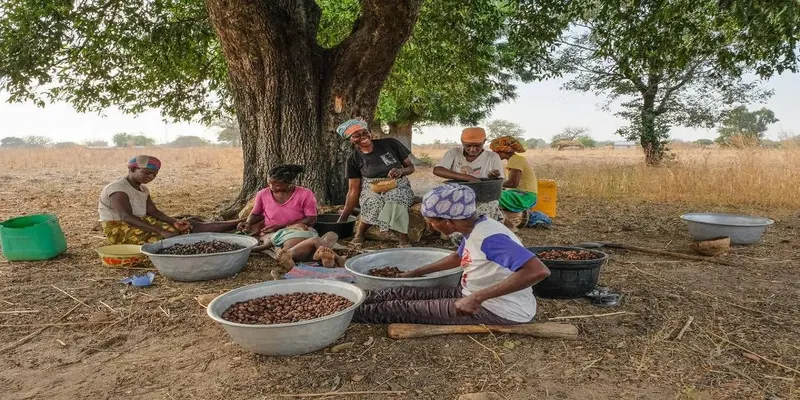
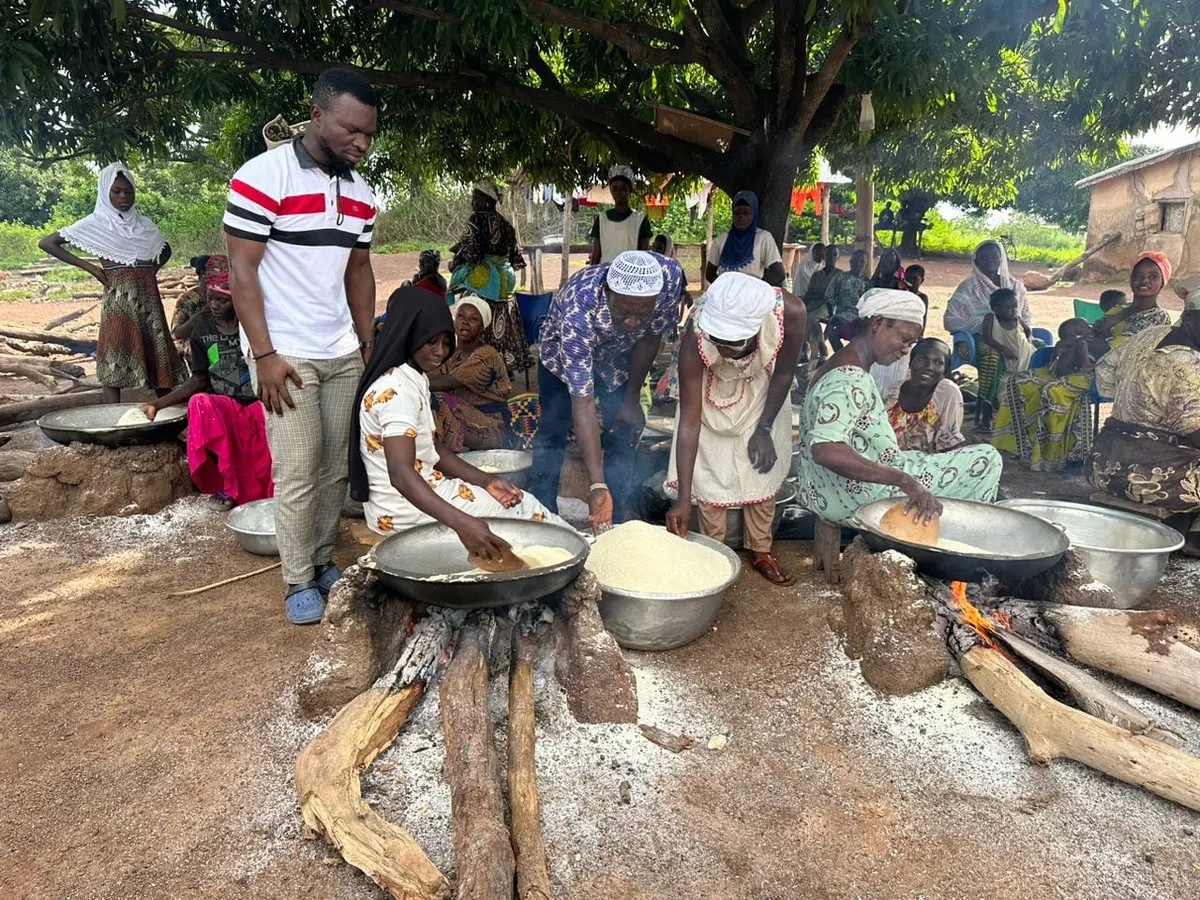
For years, rural women across East Gonja worked hard yet earned very little. They harvested shea kernels, produced small amounts of butter, and sold at whatever price buyers offered. Most had no bargaining power, no proper storage, and no unified voice.
But today, something remarkable is happening. Women who once earned very little are now part of stronger cooperatives, making informed business decisions, negotiating prices with confidence, and increasing their household income, thanks to training and support from DFWC.
Meet Maria Mumuni
Maria Mumuni, a cooperative leader from Kafaba, once struggled to manage the little income she earned from shea processing. Before joining the VSLA group introduced by DFWC:
- She rarely saved money
- Her income was unpredictable
- She had no clear plan for growing her processing activities
“I used to spend whatever I earned immediately. I didn't know how to plan for the future.”
Maria Mumuni, Kafaba
A turning point: learning to save and invest
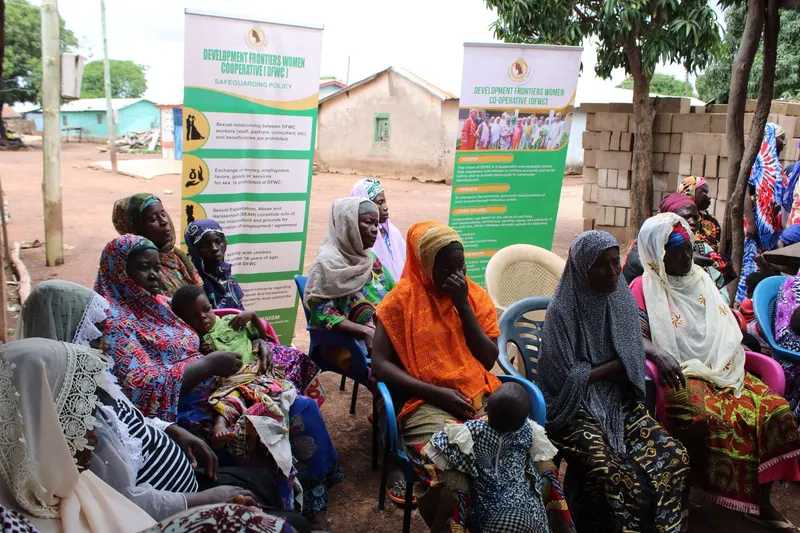
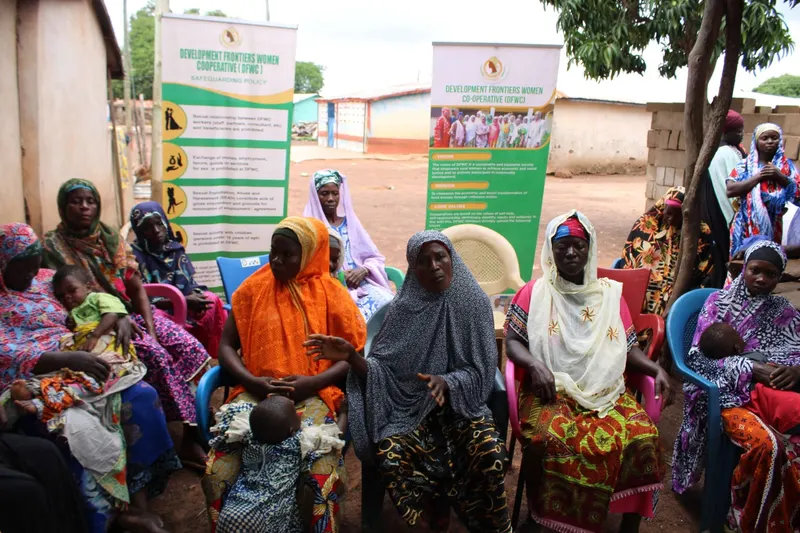
Everything changed when she joined the financial literacy training and savings group organised by DFWC. During the sessions, Maria and other women learned:
- How to manage personal and group finances
- The importance of savings
- How to invest in income-generating activities
- Basic bookkeeping
“Now I save regularly and invest in my processing work. I never knew I could manage money this well.”
Maria Mumuni, Kafaba
Real change in household income
Today, Maria saves consistently through the VSLA, invests in her shea processing business and contributes more to her household's needs. Her children's school expenses are easier to manage, and her confidence as a businesswoman has grown.
From participant to role model
Maria now encourages other women in her community to join savings groups and learn financial management. Her journey shows that when women gain financial knowledge, they gain control over their future.