Opportunities
We build women's skills, strengthen local enterprises and widen access to the resources that support long-term growth.
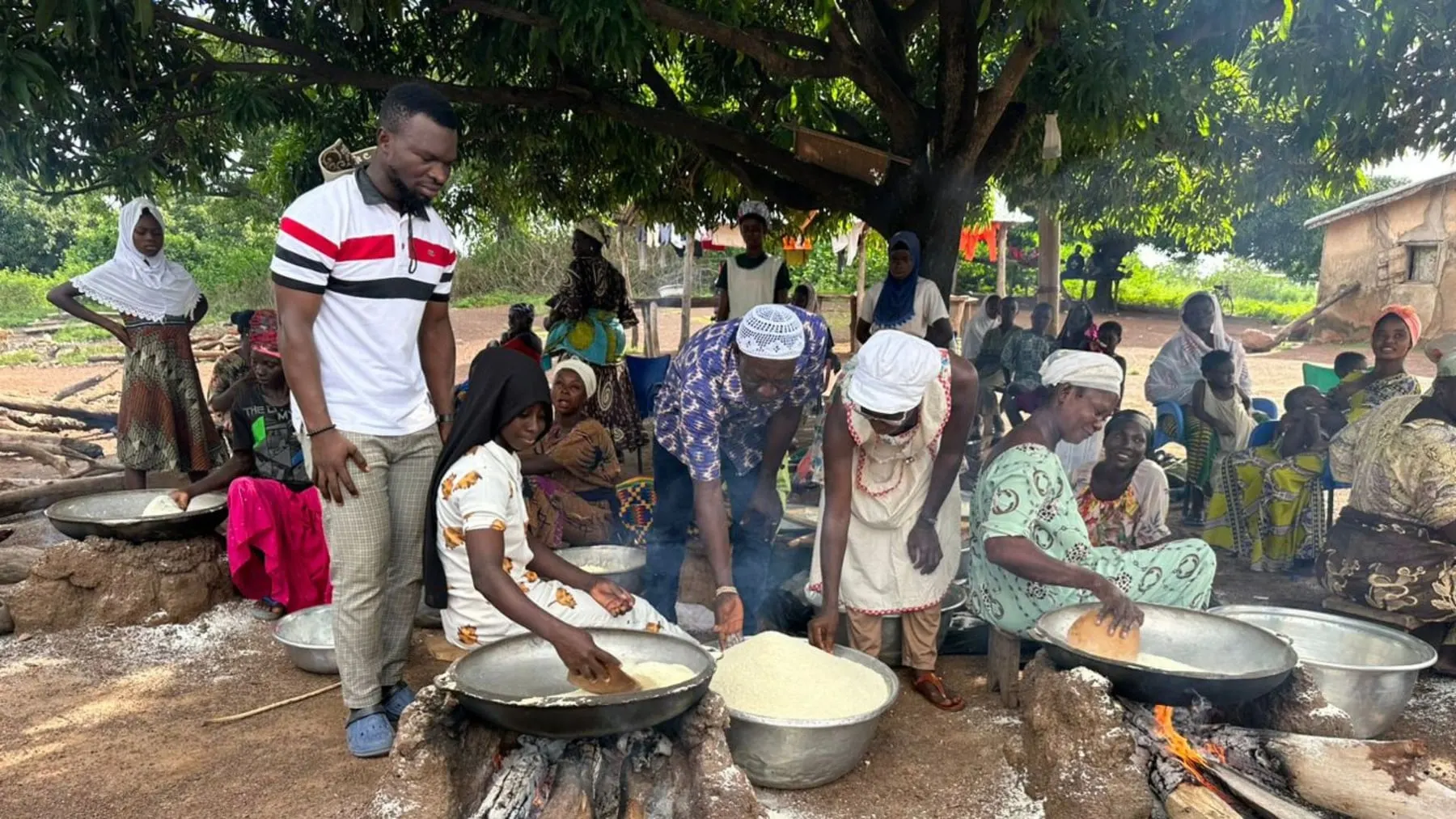
Women-led since 2010
We uplift rural women in Northern Ghana through cooperative development, enterprise support and community-led initiatives that build resilience and transform livelihoods.
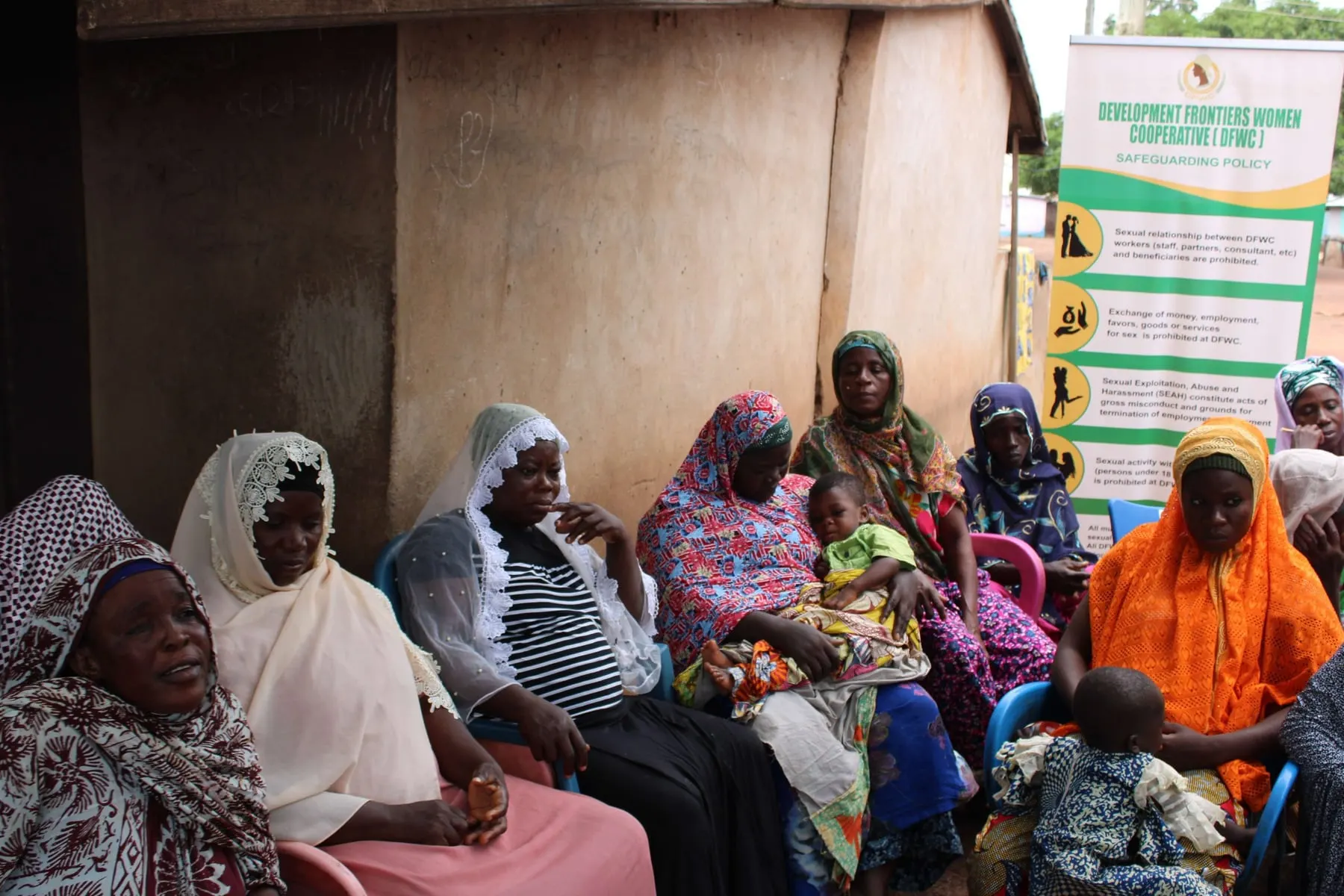
Economic independence
Our programmes give women access to markets, finance and infrastructure, raising incomes and putting business decisions in their hands.
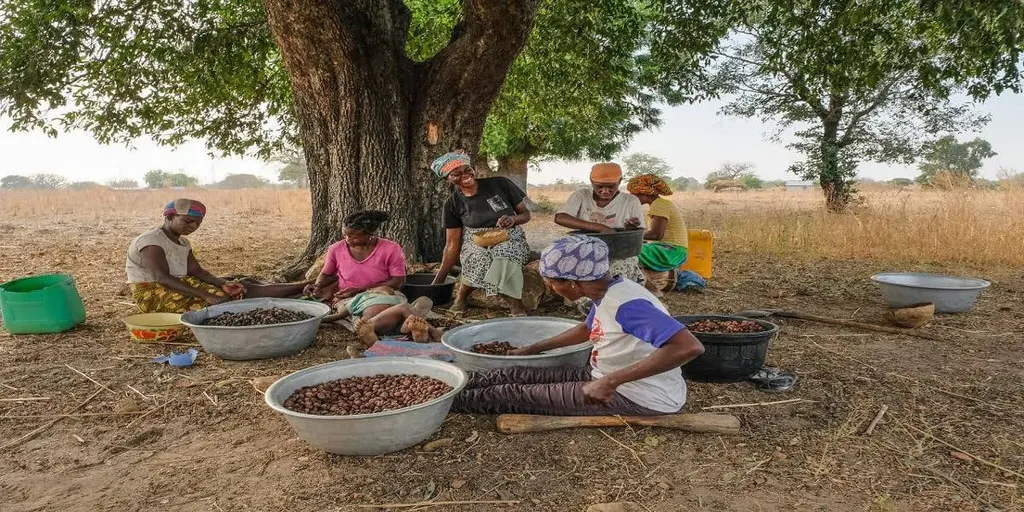
Shea and sustainability
Through conservation and sustainable shea practices, we protect the parklands that thousands of women depend on while improving community livelihoods.
What we stand for
DFWC began in 2010 when women's groups supported by Development Frontiers in East Gonja chose to unite. Today more than 3,000 women in 35 communities collect, process and sell shea and gari together, with the bargaining power, skills and voice that come from acting as one.
Read our storyWe build women's skills, strengthen local enterprises and widen access to the resources that support long-term growth.
Cooperative empowerment, training and support systems that improve household incomes and overall well-being.
We open doors to fair markets, new buyers, partners and sustainable value chains that strengthen economic resilience.
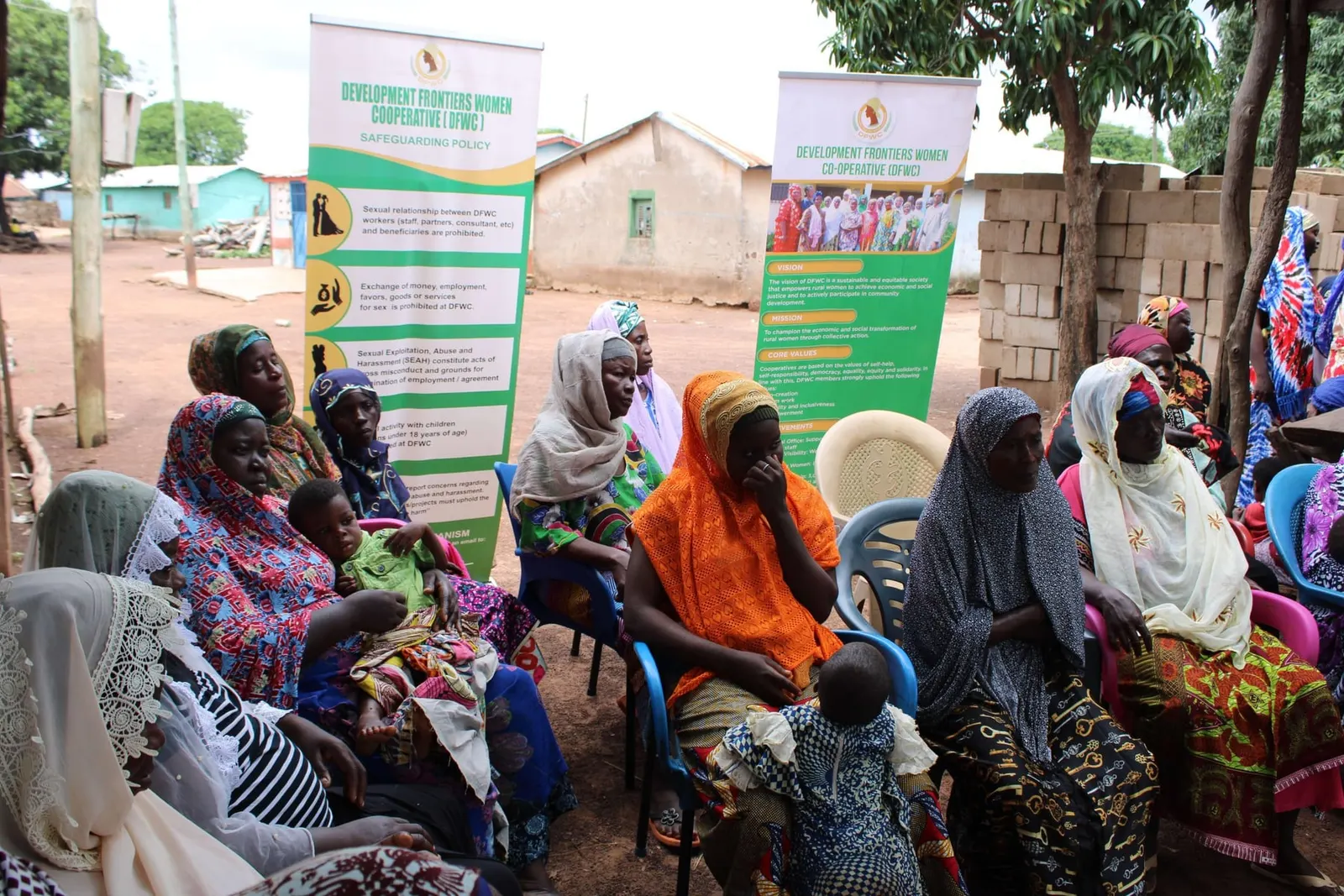
Why we exist
Women do most of the work in Northern Ghana's shea economy, yet keep the smallest share of its value.
From the shea tree to the market
We support members at each stage of the shea value chain, so more of the value stays with the women who create it.
Women gather shea fruit from the parklands each season.
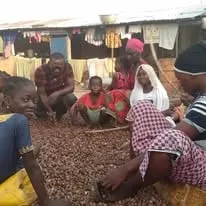
Nuts are sorted, boiled and dried to protect quality.
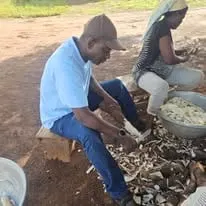
Kernels are crushed, roasted and kneaded into butter.
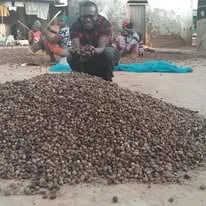
Warehouses let groups hold stock until prices are fair.
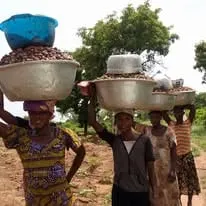
Groups sell collectively to buyers, at better prices.
What we do
We support women shea collectors, processors and traders to take part in local and international markets, improving their access to finance, markets and infrastructure to raise income and economic independence.
Learn more about Women's Economic EmpowermentShea remains a critical livelihood for rural women. We improve sustainable production and processing techniques and strengthen market access for women-led cooperatives across Northern Ghana.
Learn more about Shea Value Chain DevelopmentWe promote women's participation in decision-making and advocate for policies that protect the rights and economic opportunities of women and marginalised groups.
Learn more about Gender Equality and Social InclusionWith civil society networks and community leaders, we promote accountability, strengthen local governance and make sure development programmes respond to the needs of women and rural communities.
Learn more about Advocacy and Inclusive DevelopmentThrough improved shea processing and conservation programmes, we promote practices that protect natural resources while improving community livelihoods.
Learn more about Climate and Environmental SustainabilityPartners help us reach more communities. Tell us where you would like to make a difference.
Ways to get involvedWomen members in cooperative groups
Communities with active women's groups
Districts across Northern Ghana
Years of women working together
Our projects
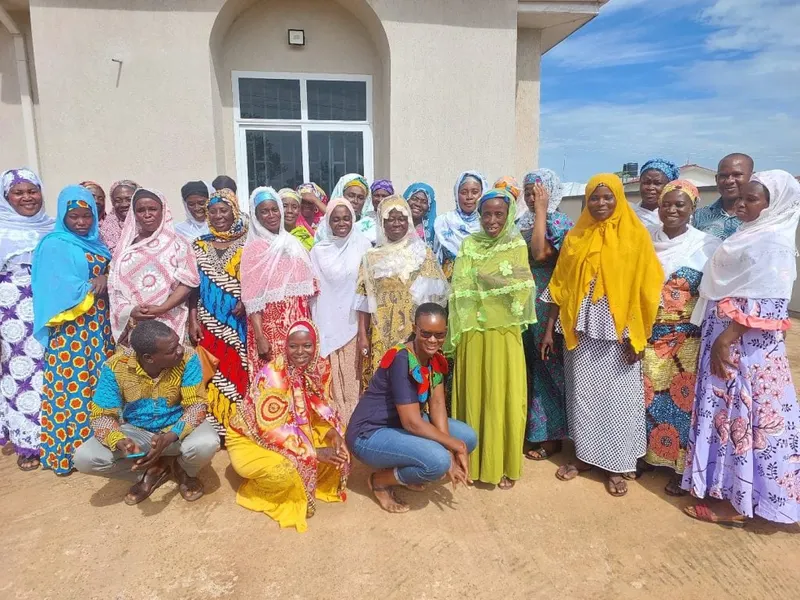 GESI-SHEA
Promoting equal opportunities for women in the shea economy
Read the project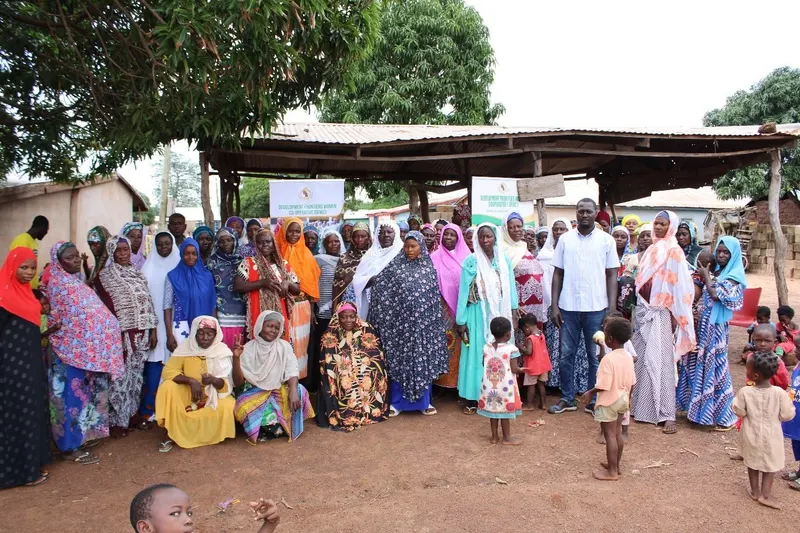 BUSAC
BUSACConnecting rural women to better markets
Read the project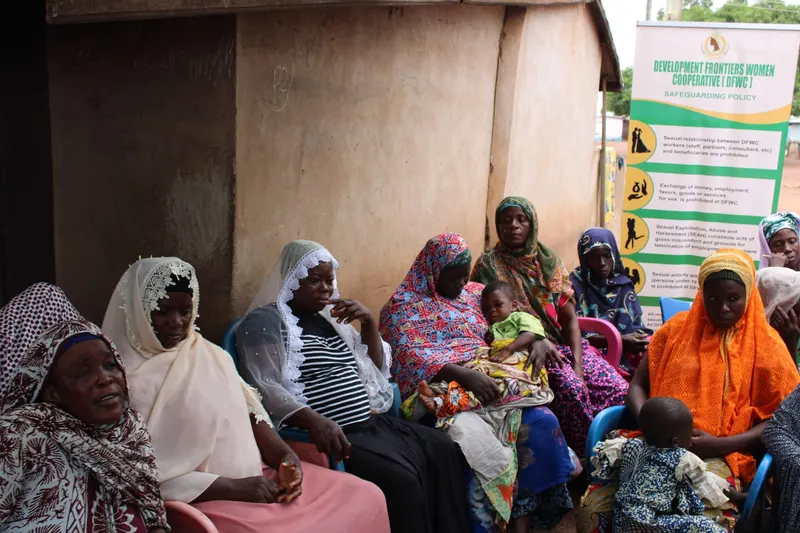 AVID
AVIDEnsuring women take part in the decisions that affect their lives
Read the projectVoices from our communities
Group presidents from Kafaba, Kakoshie, Lamsa and Techipe describe what has changed since their groups joined the cooperative.
Through the financial literacy training and our VSLA group, I have learned how to save, plan, and invest in my shea processing activities. Today, I manage my finances with confidence and can support my family better than before.
The leadership and advocacy training has empowered many women in our community. We now speak up, take leadership roles, and actively participate in decisions that affect our development.
Through the program, we have learned climate-smart practices such as tree planting and protecting our shea trees. These efforts are helping us preserve our environment and secure a better future for our children.
DFWC has educated us on our rights, personal safety, and how to avoid harmful practices. Today, women in our community feel more confident, protected, and respected.
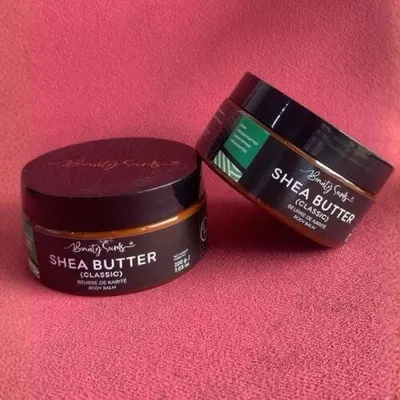
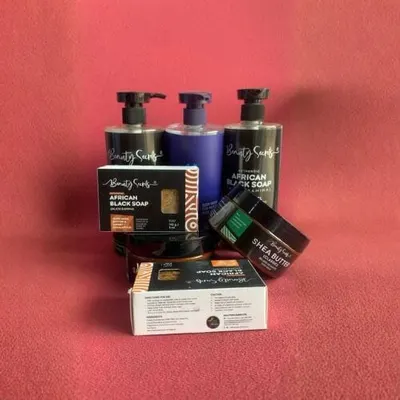
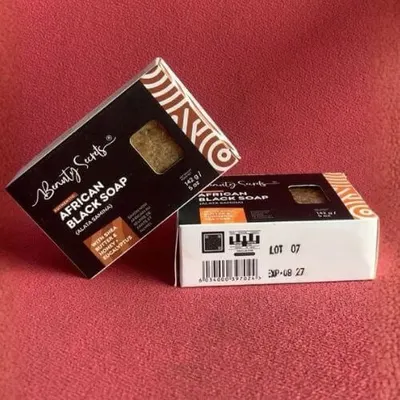
Shop the cooperative
Every purchase goes straight back to the women who collect and process the shea.
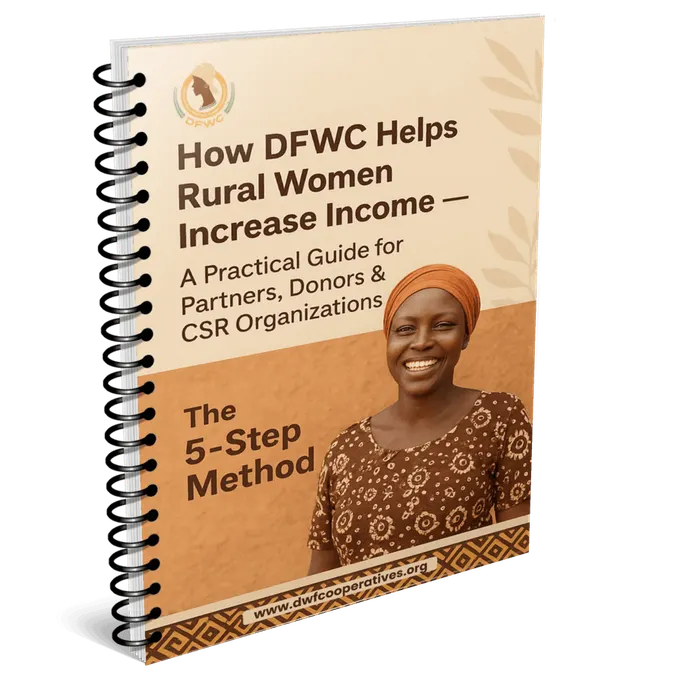
Free guide for partners
A practical guide for partners, donors and CSR teams: the five-step method DFWC uses to grow women's skills, open markets and build leadership.
Stories of change
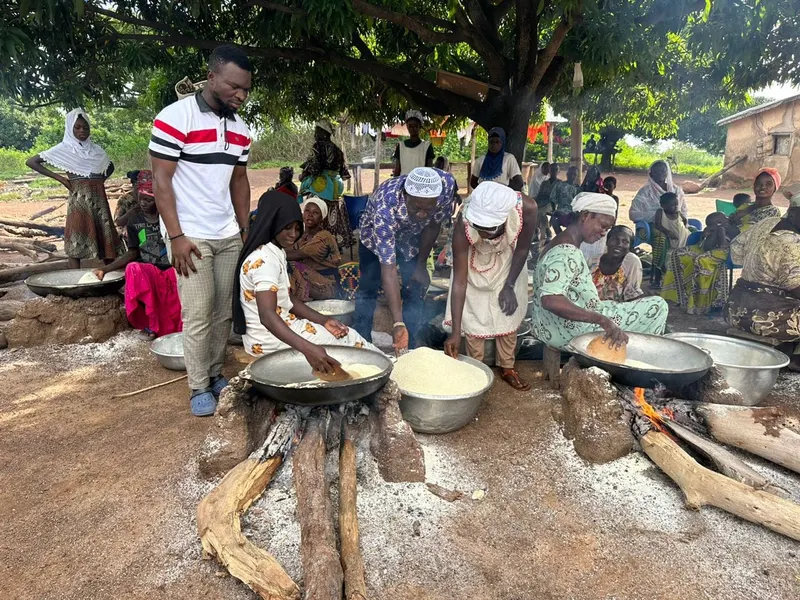
For years, rural women across East Gonja worked hard yet earned very little. Maria Mumuni's journey shows what changes when women learn to save, plan and sell together.
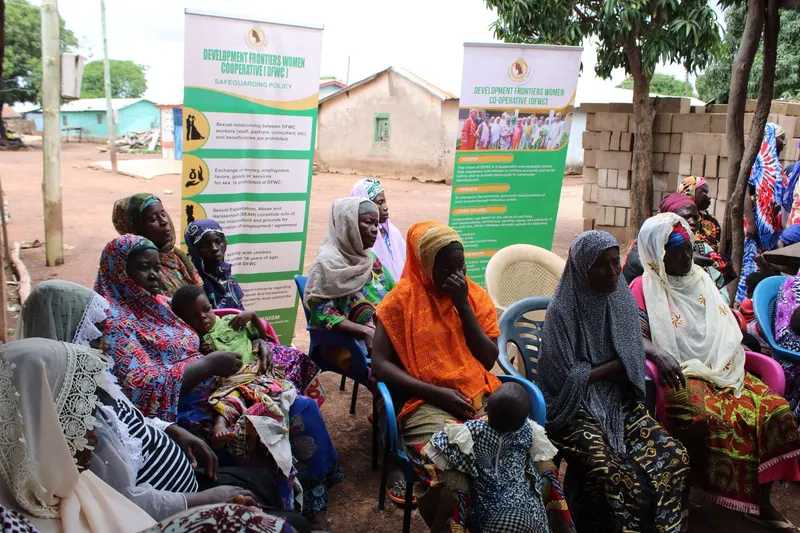
Community meetings were once dominated by men. After leadership and advocacy training, Sey Alima and women across Kakoshie are speaking up and shaping local decisions.
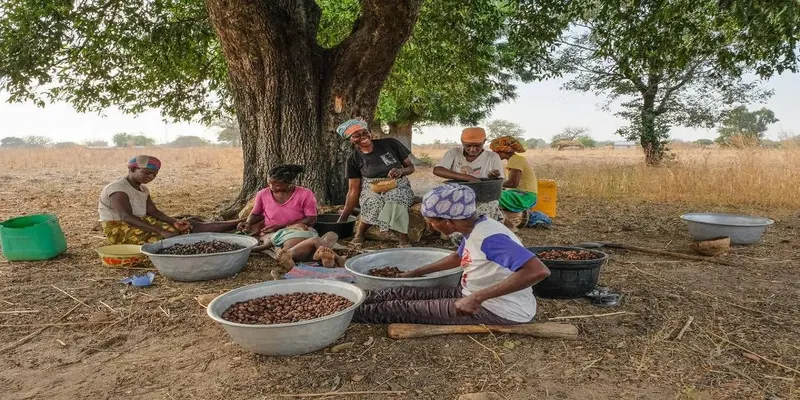
Shea trees are the backbone of rural economies in Northern Ghana. In Lamsa, Abubakari Gado and his neighbours are now protecting and replanting them.
Working with



Partner on a programme, sponsor a women's group, buy from the cooperative or support our work with a donation. Get in touch and we will find the right way together.
Hello! How can we help? Ask us about partnerships, our shea products or visiting the cooperative.